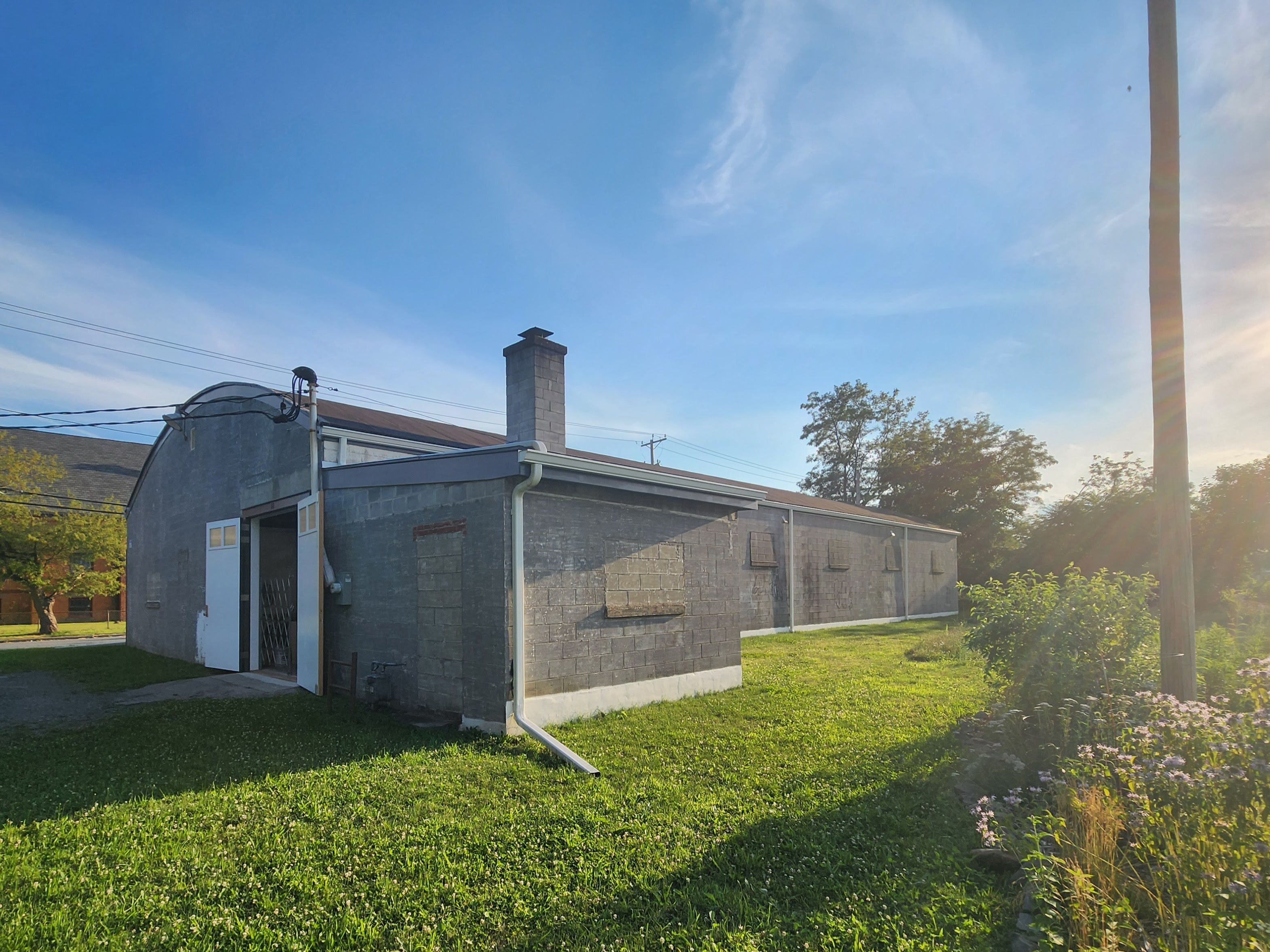
After

Building a New Career with Bio-Based Materials

By Mary James and Jay Fox

Rainger Pinney spent years building things to a sixty-fourth of an inch. While running a fabrication studio in the Red Hook neighborhood of Brooklyn, he worked with wood, glass, metal, and plastics to produce fine art and decorative objects for high-end clients. The work demanded precision and a practical understanding of material science. If you glued aluminum to wood and the temperature or relative humidity shifted, the piece would never stay flat because the two materials respond differently to these environmental factors. If you cut glass to fit perfectly inside a frame and the room warmed up, the glass would break the frame. Every day was a lesson in how materials interact with one another and with the environment around them.

"I'm working at a large enough scale that you can visually see material movement, but a small enough scale that it fits on a table," Pinney explains. "Understanding hygroscopic and thermal properties of materials and how they all interact with each other was part of my day to day."

Over the last few years, Pinney has been gradually shifting his career to focus on sustainable building materials, with a particular emphasis on bio-based materials. That transition has been eased by his familiarity with building science. The principles governing how moisture moves through a wall assembly were not so different from the ones governing how a wooden panel responds to changes in relative humidity. It was a different scale, but the logic was familiar. As Pinney puts it, "It's all about knowing how materials are going to work with each other."

A Growing Discomfort

Pinney’s passion for working in the fine arts had been fading for some time. He found himself increasingly troubled by a contradiction between the market he was serving and his lived reality.

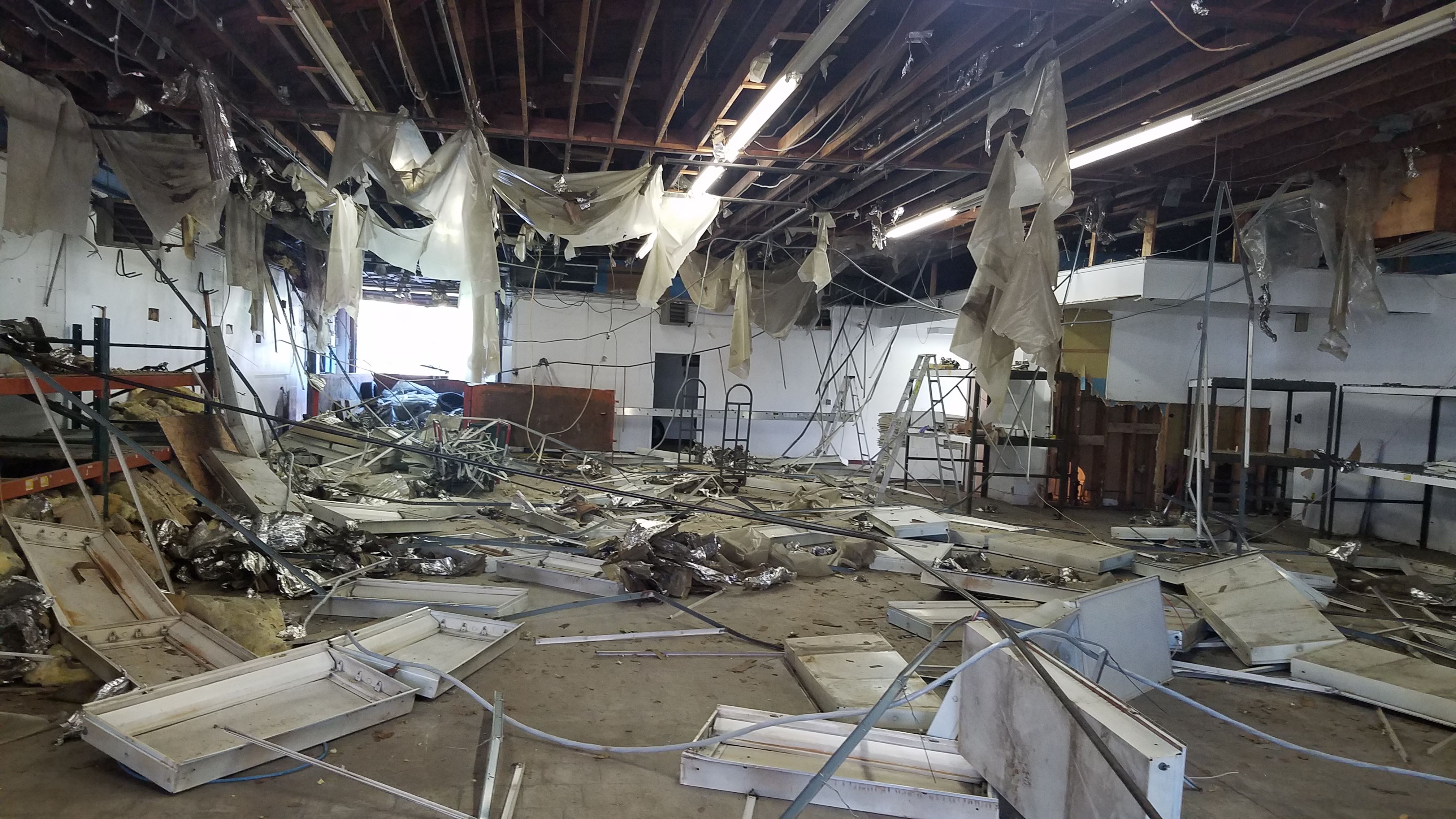
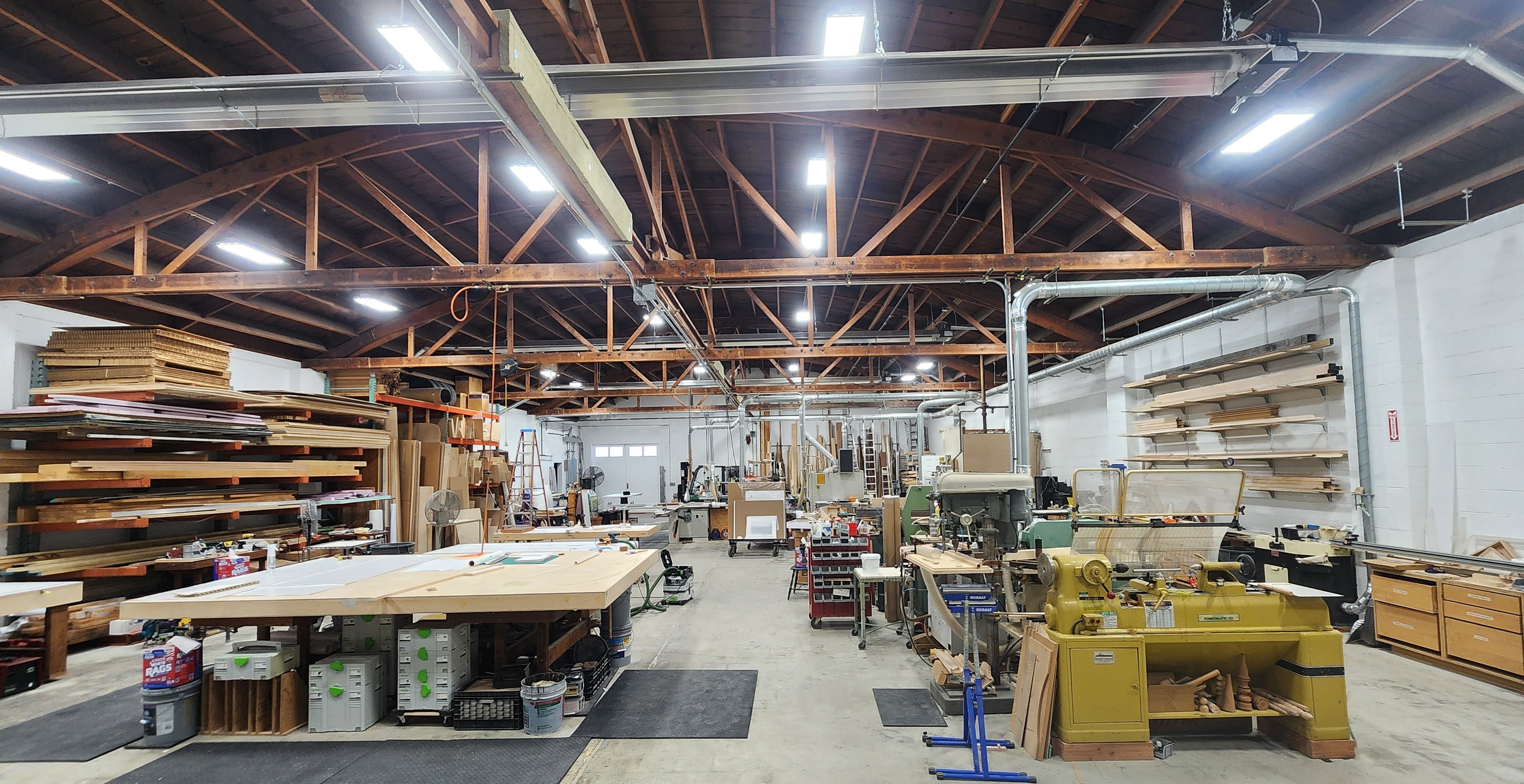
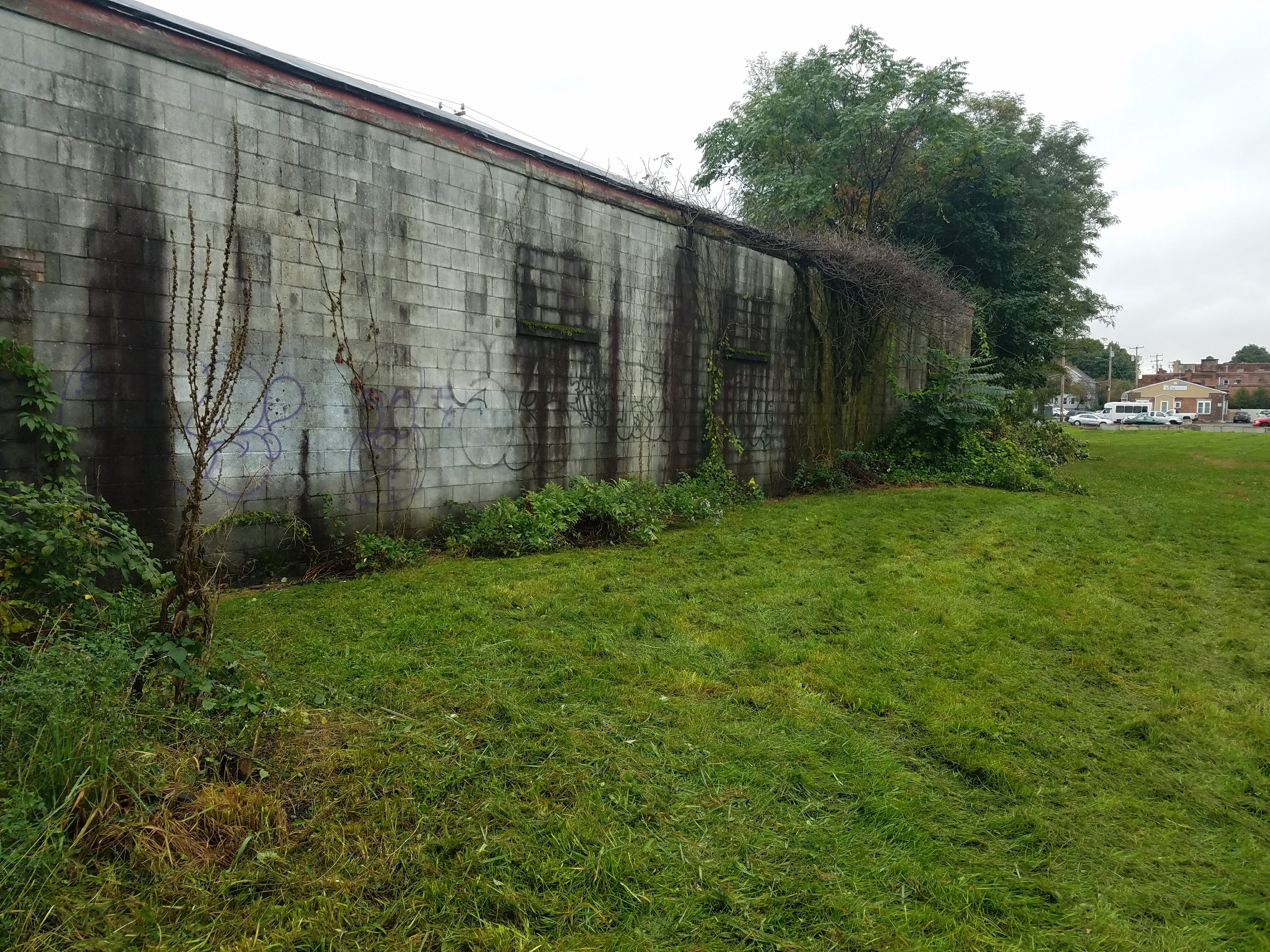
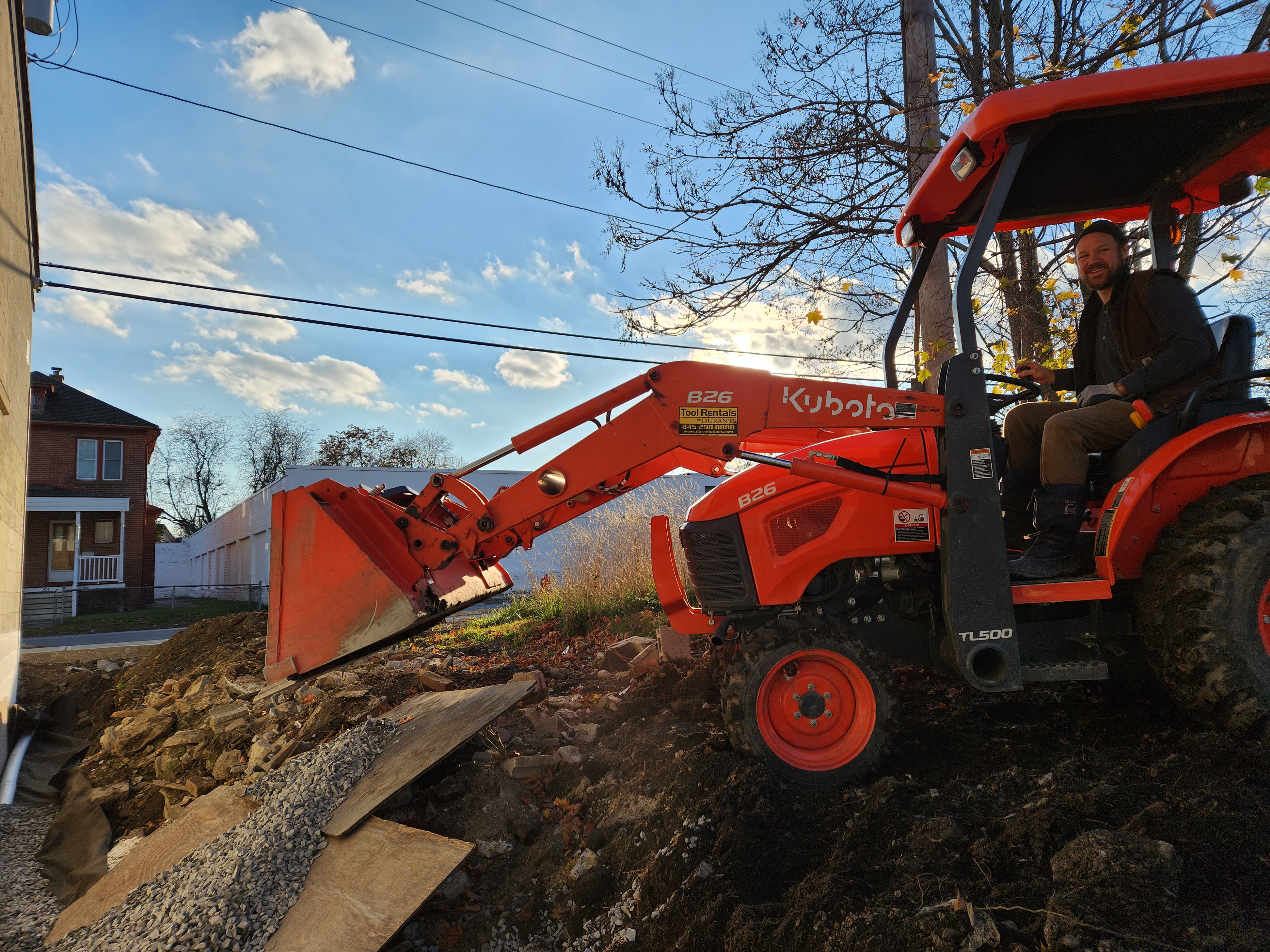
In 2017, he moved his business out of Brooklyn to a warehouse in the Hudson Valley. The building certainly needed some TLC, and so he began reading up on how to make the improvements himself (see below for images showcasing his progress). He bought Henry Gifford's Buildings Don't Lie, read it cover to cover, and wanted more. He dove into Green Building Advisor to research the issues he was encountering in his distressed property.

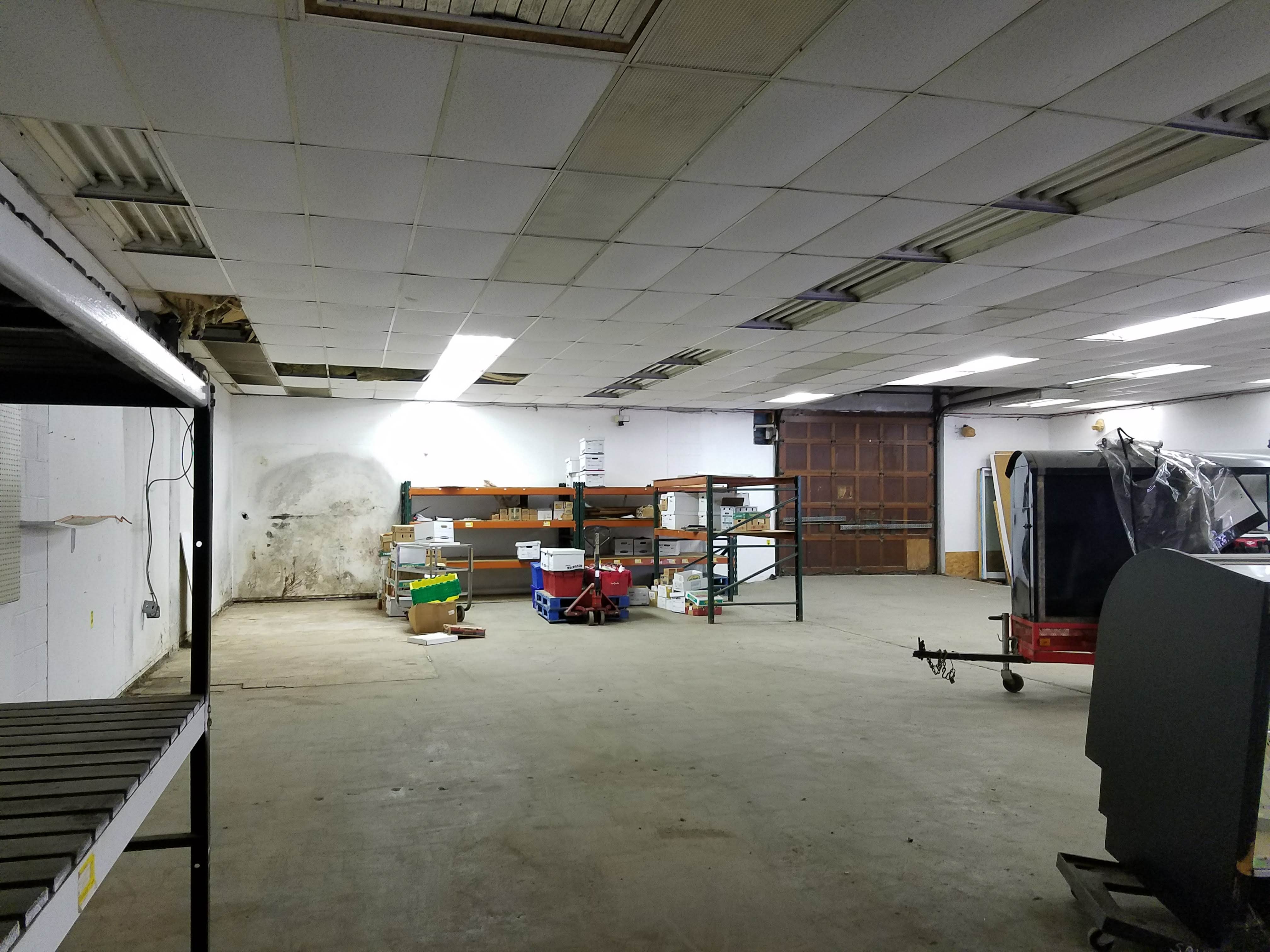
His research into building science initially was done in the service of the project rather than to train him for a career change. However, Pinney's main client passed away a few years after he purchased the warehouse, leaving a financial hole in his fabrication business and presenting him with a fork in the road: start looking for new clients in the world of fine art or pivot the business.

He chose the latter and began looking for something that made better use of his skills. Mass timber caught his attention first, and the efficiencies of prefabrication resonated with his experience in the shop. He laid up a miniature CLT panel in his vacuum press, visited panelization factories throughout the Northeast, and ran the numbers on starting a small CLT or insulated panel fabrication business. Unfortunately, the capital outlay was too high and the stress of starting another manufacturing venture wasn’t worth it.

He started thinking bigger. He attended the Mass Timber Conference in Portland and the Bio-based Materials Collective Summit. At both, the refrain was the same: demand is the issue. Manufacturers cannot justify the capital investment without it, but designers are reluctant to specify materials that lack enough precedent. It is a chicken-and-egg problem that nobody seemed eager to own.

Rainger Pinney.
Rainger Pinney.

Finding the Collective

Pinney first became familiar with the Accelerator by listening to the Passive House Podcast and then heard about the Reimagine Buildings Collective during the Accelerator’s 2024 One Planet: 24 Hours conference. He is, by his own admission, relentless when he catches hold of a subject, and working in his shop gives him ample time to listen to any podcast that sparks his interest. His Spotify year-end once clocked more than 2,500 hours of podcasts. When the Collective offered a path into a community of practitioners actively working in high-performance building, he signed up.

He initially justified the cost by enrolling in the PHPP training, which he started and has yet to finish. The Collective itself, though, delivered far more than he expected.

"I've gotten so much more value out of the Collective," Pinney says. "It was a way to break myself out of the podcast and reading mode of learning.”

Throughout this time, Pinney has continued to examine the high-performance building industry holistically, searching for leverage points and barriers to adoption, and the Collective's breadth of practitioners has given him a window into how different parts of the industry can talk past each other. The picture that emerges is one of deeply siloed knowledge and a shared desire to integrate that nobody quite knows how to act on.

Again, it’s a chicken-and-egg problem without an easy fix.

The Retrofit Insight Brief

Pinney’s holistic perspective found its most concrete expression in the Nature-Based Performance Lab, one of the Collective's study groups. The lab has so far produced two insight briefs, one created in the summer and a retrofit brief created in the fall. The lab has aligned with research Pinney was already doing on his own time, but it gave that work structure and peer support.

The retrofit lab included Pinney—along with Nidhi Shah, Buck Moorhead, Paul Herron, and Prescott Perez-Fox—and it examines how bio-based materials like wood fiber, cellulose, cork, straw, hemp, clay, and lime can create safer, more forgiving retrofit assemblies. The brief argues that these materials share the same hygrothermal behavior as the historic materials they are meant to complement: high vapor permeability, high moisture storage capacity, and the ability to buffer moisture without creating mold-friendly zones. In retrofit work, where designers often cannot control every variable in an existing assembly, these properties expand the margin of safety.

The brief's focus on moisture emerged from a specific question: what makes bio-based materials different from conventional insulation, and where might those differences offer an advantage? The answer kept coming back to its moisture-buffering characteristics and vapor openness. Bio-based insulation can absorb condensation, wick it into a larger volume, and allow it to evaporate rather than trapping it at a single cold interface, which can be a breeding ground for mold.

Mold is a major concern in both new construction and retrofits, but designers have way more control over assemblies in a new build. In a retrofit, that is rarely the case.

“In retrofits, it's a mess,” Pinney says. “Maybe you can't touch the facade because of historic preservation or zoning. Maybe there's a balcony where there's thermal bridging that you just can't mitigate.” Natural materials allow for more wiggle room, according to Pinney, because they “wick that condensation into a much larger volume, distributing it, and then allowing it to evaporate."

These conclusions are based on a large volume of research, as indicated by the more than two pages of references at the end of the 22-page brief. While a lot of the brief has been influenced by Pinney’s research, one of the more unique perspectives comes from Shah, who contributed guidance documents and research from the UK, particularly on historic preservation and interior masonry insulation. For someone just beginning on their retrofit journey who is interested in natural materials, it is an invaluable document.

What Comes Next

Pinney has decided that his next career move will involve these materials, but in a less hands-on way. He is currently finishing his MBA, and his capstone is designed around a consulting business that would help navigate the institutional barriers preventing established materials and technologies from entering the North American market. His central insight is that the barrier is not primarily testing or code compliance, as is often assumed. It is demand generation and the liability risk that discourages specifying. Errors and omissions insurance requires designers to specify materials with local precedent, and when that precedent does not exist, nobody wants to go first.

"It's a weird invisible problem that leads to people pointing the finger at each other when really all of the stakeholders end up having the same concern, and that's liability," Pinney said.

It is a transitional period for both the industry and Pinney. Pinney has closed his art fabrication business, and the path forward has not fully revealed itself. The Collective has been a steady resource through that uncertainty, providing not just education and networking, but a community of people who share his conviction that buildings can and should be better. For someone making a significant career change, that scaffolding matters.

Those who have read the brief should recognize what Pinney is capable of when given the space to dig into a problem. Those who have attended a Collective AMA have likely heard him in the chat, asking the kind of questions that push a conversation further than it otherwise would have gone. What his next chapter looks like is still taking shape. Given the rigor of his research and the breadth of his curiosity, it will be worth watching.

Don't Go It Alone. Join Our Community.

The Reimagine Buildings Collective brings together building professionals stepping up to tackle climate change.

Published: March 27, 2026
Authors: Mary James, Jay Fox