A rendering of Kissena House.

Catching Up with Accelerator Partner Curtis + Ginsberg Architects

By Passive House Accelerator Team

Curtis + Ginsberg Architects (C+GA) is an award-winning, mission-driven firm built on the principle that quality design should be accessible to all and that thoughtful architecture can create meaningful change for people and communities. This guiding philosophy has served the firm since it was founded in 1990  and it continues to shape its approach across multifamily, mixed-use, institutional, nonprofit, and cultural projects of all scales. As a certified woman-owned business enterprise (WBE), C+GA also remains committed to building equitable neighborhoods and serving the needs of clients, communities, and the environment.

C+GA’s leadership in sustainable design is recognized locally and nationally, ranking in the Engineering News-Record’s (ENR) 2024 Top 100 Green Design Firms, and they were the first architecture firm to be awarded the national Ivory Prize for Innovation in Sustainable Housing in 2021. Additionally, the firm has dedicated itself to the AIA 2030 Commitment and has a portfolio that includes over 65 buildings completed under the Enterprise Green Communities program, and over 35 LEED and Passive House new construction and renovation projects, with multiple local and national awards for this work. As we’ve reported in some recent articles (see below), several more are in design or construction.

Sustainability and resilience sit at the core of everything C+GA does, and the firm has long been a strong advocate for Passive House as a design standard for years, championing highly insulated, all-electric buildings that dramatically reduce energy consumption while delivering healthier, more comfortable homes. Working alongside clients and in collaboration with city and state agencies including the New York City Department of Housing Preservation and Development (HPD) and the New York State Energy Research and Development Authority (NYSERDA), C+GA integrates energy efficiency strategies at every stage of the design process—for both new construction and existing buildings—in direct support of New York's broader climate and clean energy goals.

C+GA has been frequently recognized for their work, particularly through NYSERDA’s Buildings of Excellence program, which prioritizes housing and energy affordability in new multifamily buildings throughout the state. Since launching in 2019, the program has awarded $83 million to 75 projects, and more than two-thirds have been created to serve affordable housing markets. Each of the three projects highlighted below were honored through the program. Three Arts was a recipient of Early Design Support and was recognized as a demonstration project in Round Four of the competition. Kissena House and 77 William Street were Round Five winners.

Three Arts as it looks today.
Read more about Three Arts

Three Arts

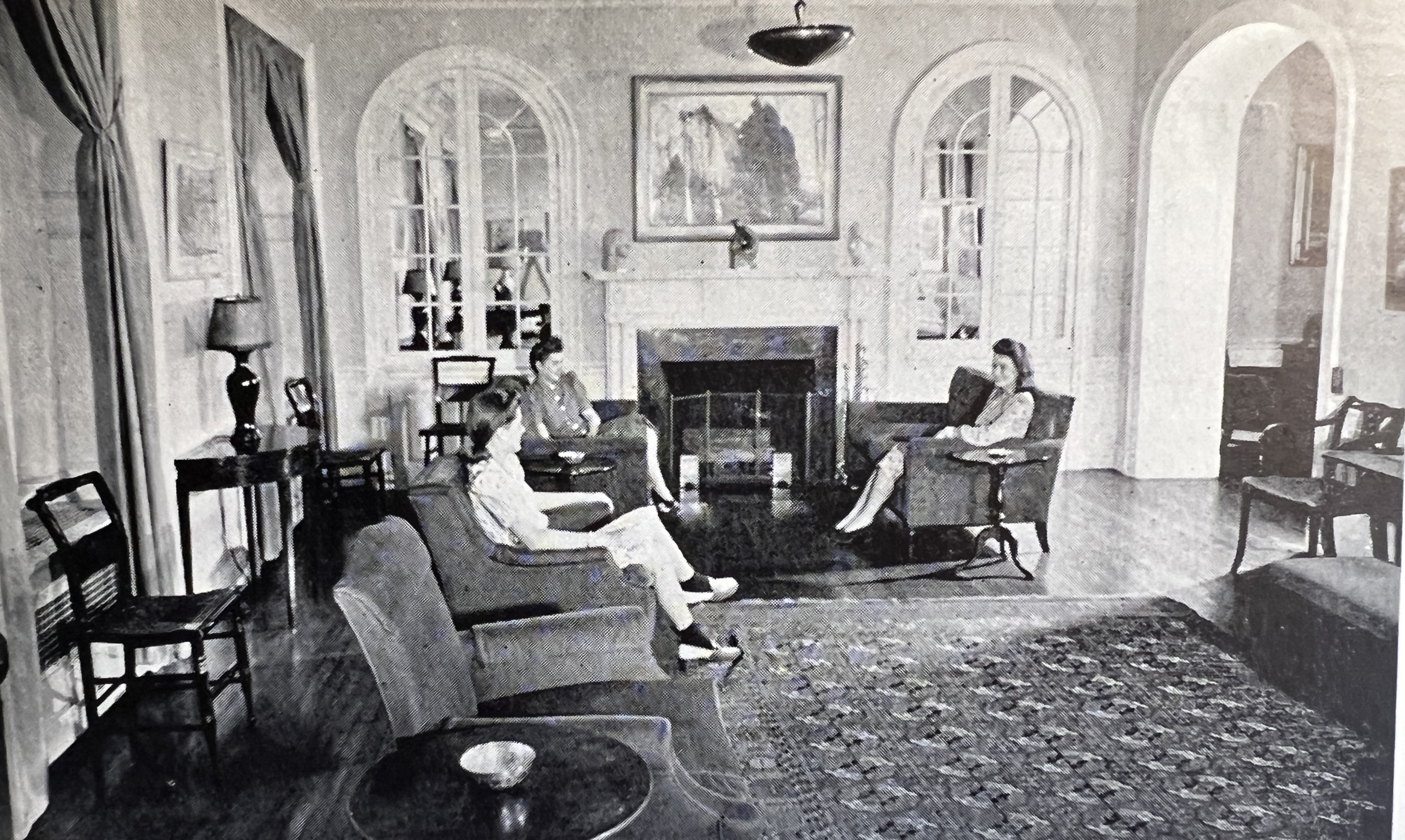
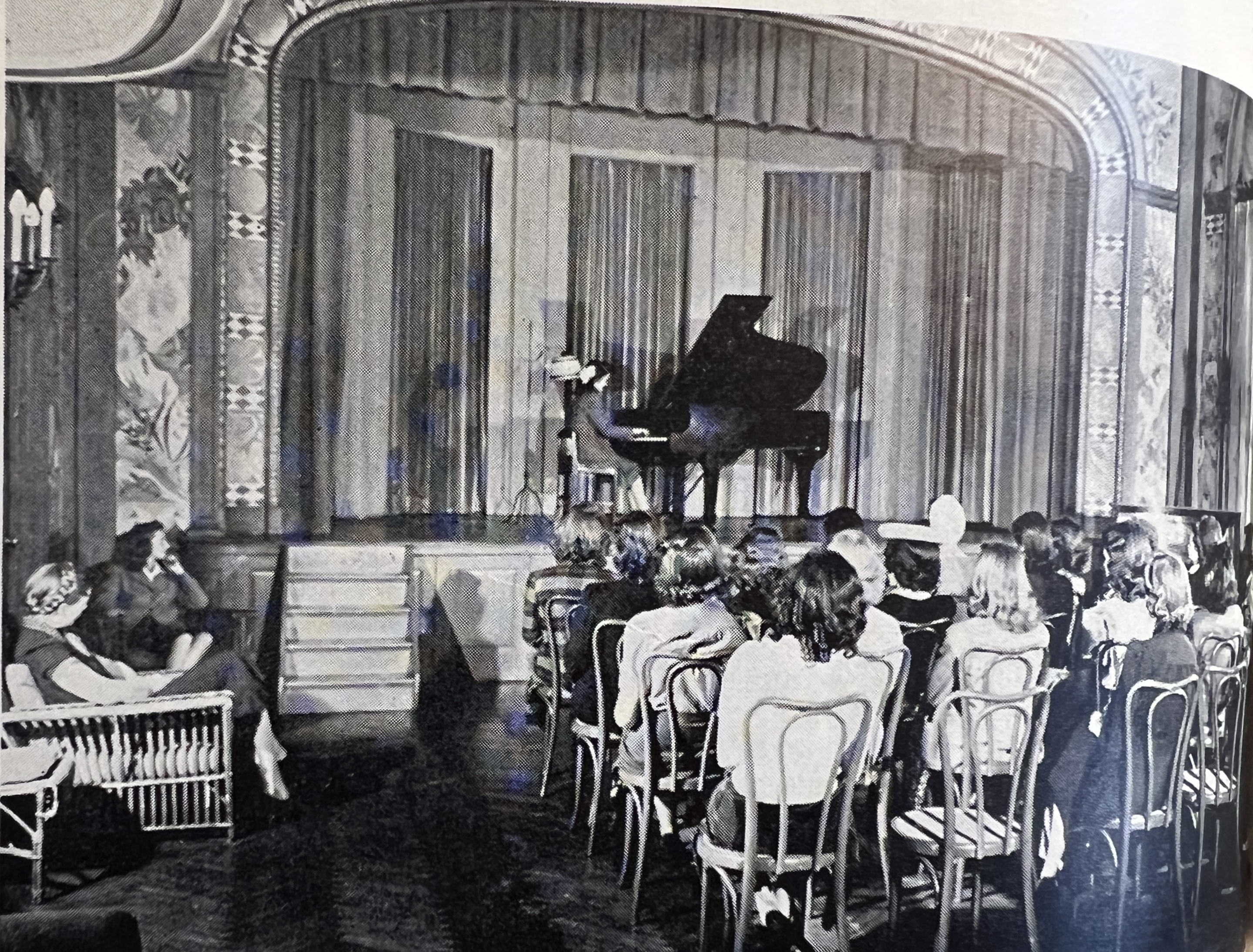
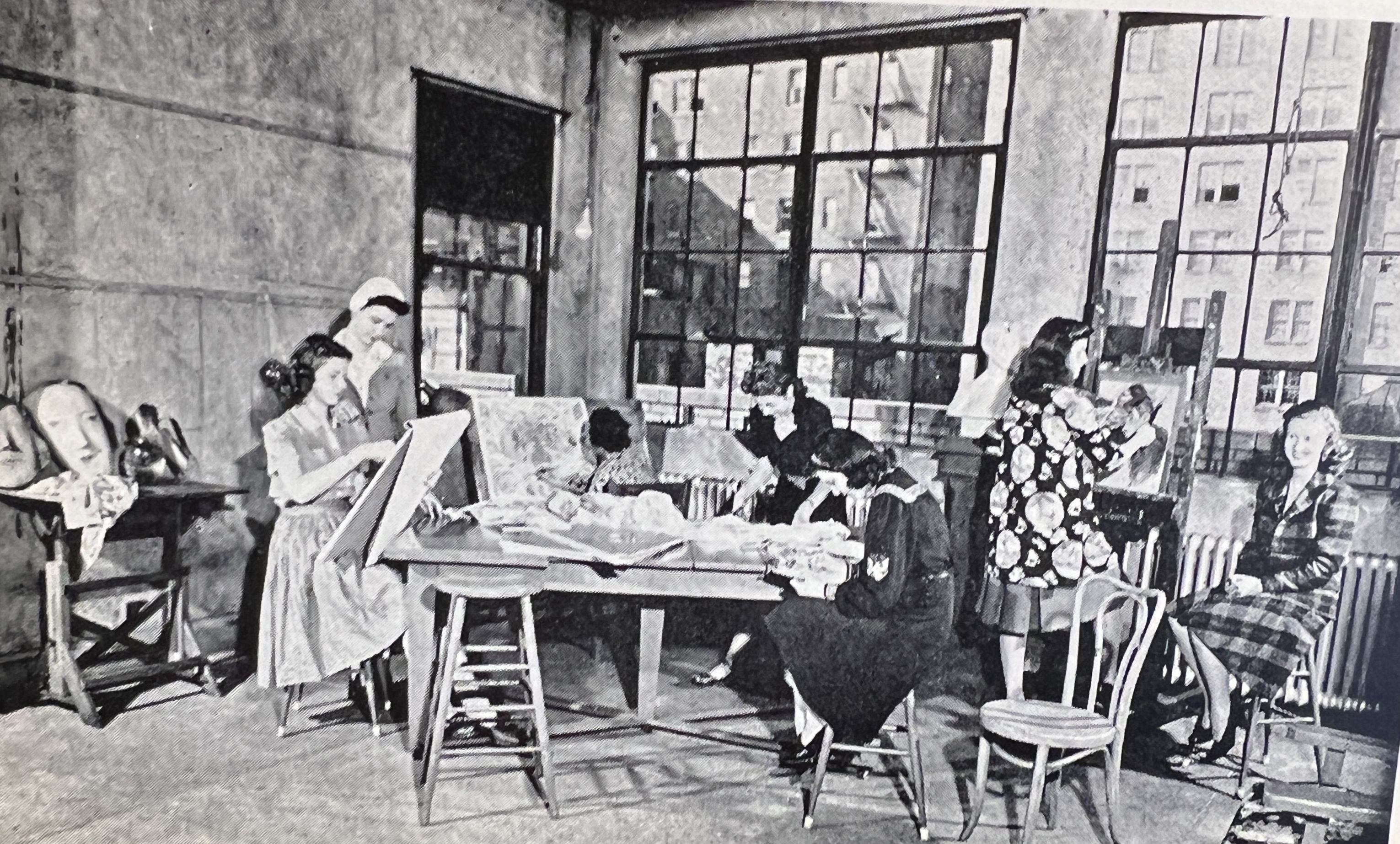
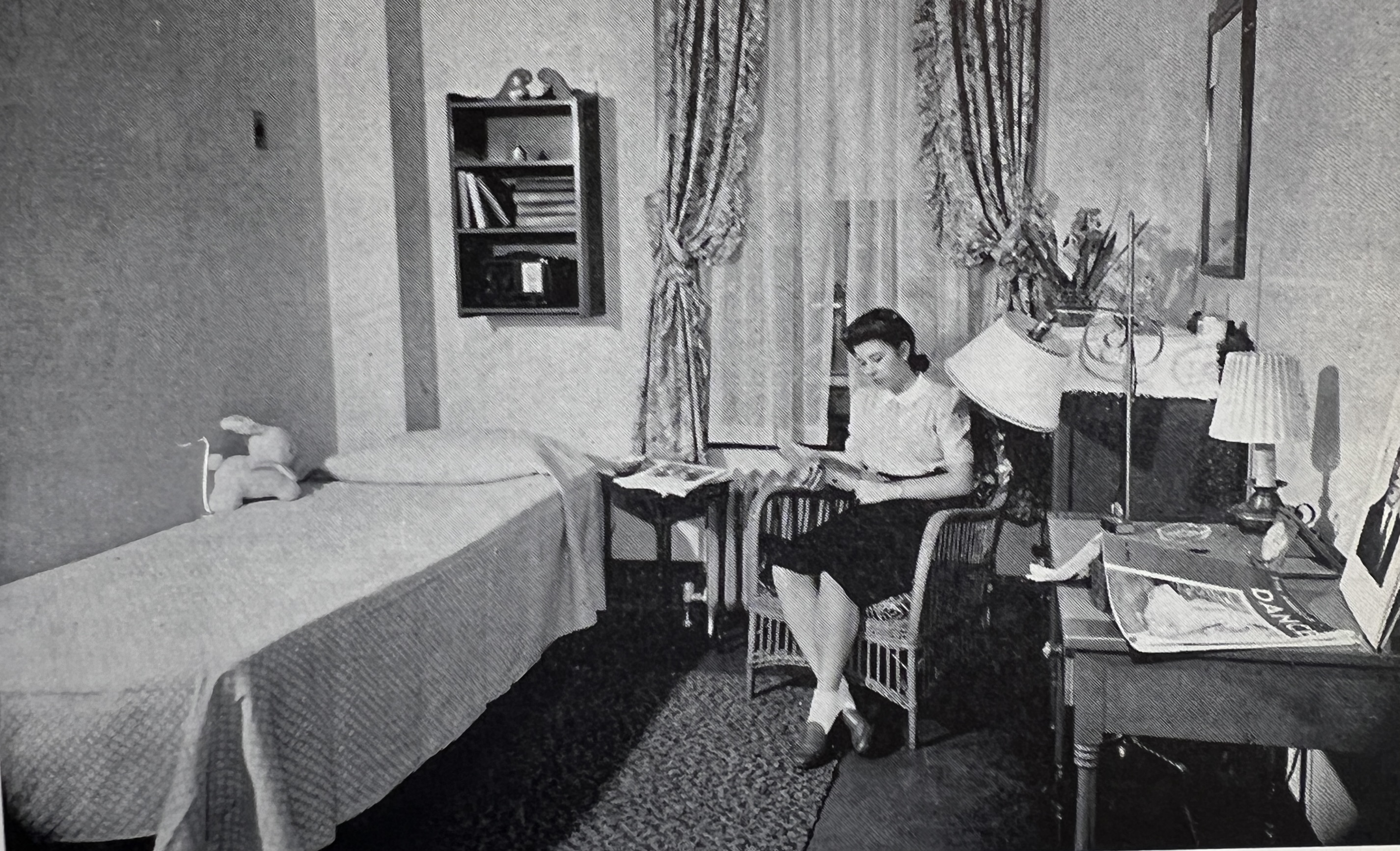
A highly ambitious project, Three Arts involves the EnerPHit retrofit of what was once known as the Three Arts Club, a 1927 Colonial Revival building in a landmark district on Manhattan’s Upper West Side. Once complete, the 51,500-square-foot steel-frame and masonry curtain-wall building will be all-electric and provide over 60 units of permanent supportive housing for low-income seniors.

The firm has had to navigate a uniquely difficult set of constraints: an initial effort gained National Register of Historic Places designation allowing the non-profit owner West Side Federation for Senior and Supportive Housing to obtain federal historic tax credits essential to the project's financial viability, Early NYSERDA funding allowed significant input from energy consultant Steven Winter Associates, critical because the building's registered historic and landmark district status limits modifications to both the exterior façade and historically protected interior spaces. Preservation frequently took precedence over performance upgrades.

As explored in the article, the firm's technical strategies for insulation, window replacement, mechanical systems and accessibility upgrades, and structural considerations for the floor slabs (which were constructed using cinder concrete with draped wire mesh) have demanded significant coordination between architect, structural engineer Old Structures Engineering and mechanical engineer Dagher Engineering. As very few deep energy retrofits have been attempted on buildings of this scale and age within North America, the team’s pioneering work at Three Arts is of crucial importance for New York’s climate goals and will be the subject of intense study for years to come.

A rendering of Kissena House.
Read more about Kissena House

Kissena House

Kissena House is an eight-story building currently in development in Queens. Located at 45-29 Kissena Boulevard, the all-electric building will create over 110 units of affordable senior housing and help densify developer Selfhelp Community Services’ Flushing campus. The building will be sited on an underutilized parking lot and will be partially cantilevered over an existing community center.

Selfhelp engaged C+GA because they trusted the firm to overcome significant site constraints and to maximize the number of units while also creating something beautiful, comfortable, and efficient. To optimize performance, the team plans to use EIFS cladding and high-performance windows to ensure a well-insulated and airtight enclosure. These will be paired with all-electric mechanical systems, including PTHPs. Another key aspect of the project is its focus on enriching the Selfhelp campus by incorporating new hardscaping, garden spaces, and plantings around the building. Construction is slated to begin in early summer 2026.

William Street in Newburgh circa 2007. The boarded up building with the deep red facade (then known as 73 William Street) has since been demolished.
Learn more about 77 William Street

77 William Street

77 William Street is part of three-building project that will create dozens of affordable units and is part of a broader effort to revitalize Newburgh’s East End Historic District. The project is a partnership between community organization Safe Harbors of the Hudson and BronxPro Group, and several units will be set aside for formerly homeless individuals, those with mental illness, and survivors of domestic violence.

The centerpiece is 77 William Street, a new five-story, 46-unit Phius-certified building. Flanking it are two historic buildings that will each receive deep energy retrofits and add nine units of affordable housing to the project total. As explored in the article, the team has navigated three separate municipal approval processes to ensure the new construction and retrofits are sensitive to the neighborhood's historic character but also take into consideration performance and embodied carbon. Like their work on Three Arts, C+GA has been exceptionally careful when balancing performance upgrades with historic preservation. Historic buildings cannot be insulated from the outside and insulating from the inside can create hygrothermal problems within the brick that need to be managed through conscientious moisture control and thoughtful detailing.

Construction is expected to begin later this year.

boe website r5 77 william street

Accelerator Partners are Passive House practitioners who share our commitment to building better, building cleaner, and sharing knowledge about Passive House methodologies with wider audiences. They allow us to reach new builders, developers, architects, and policymakers who want the benefits associated with Passive House construction (lower energy bills, a continuous supply of filtered air, more durable construction, and happier occupants!), but have yet to learn that there are passive design principles and established, performance-based building standards that can provide them.

If you want to learn how to become an Accelerator Partner, please email [email protected] to see how you can help us accelerate the wider adoption of passive design and construction.

Published: April 20, 2026
Categories: Article, News, Retrofit, Sponsored